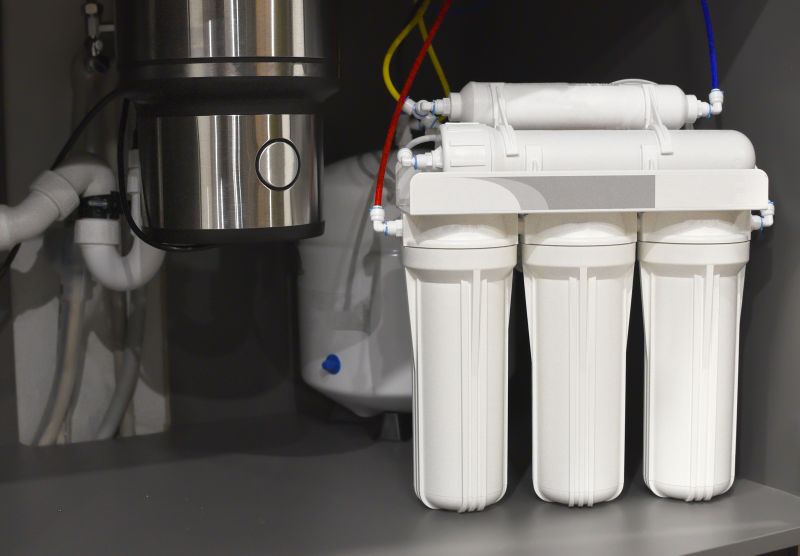
Carbon Filter Installation in Denver, CO
Carbon filter installation services are designed to improve indoor air quality by removing odors, chemicals, and pollutants from ventilation systems. This process involves installing specialized filters that use activated carbon to absorb unwanted contaminants, making them suitable for a variety of projects such as residential HVAC systems, kitchen exhausts, or whole-house air purification setups. Property owners typically seek this service when experiencing persistent odors, chemical sensitivities, or concerns about indoor air cleanliness, especially in homes located near industrial areas or with smokers.
Before requesting carbon filter installation, property owners usually want to understand the scope of the project, including which systems can accommodate filters and the expected benefits. It’s helpful to know whether the existing ventilation system is compatible with carbon filters and if any modifications are necessary. Clarifying the maintenance requirements and lifespan of the filters can also assist in planning ongoing air quality management. Proper assessment ensures the installation effectively addresses specific air quality concerns and integrates smoothly with the current property infrastructure.
Many property owners in Denver, CO look into Carbon Filter Installation for repairs, replacements, upgrades, and appearance-related improvements.
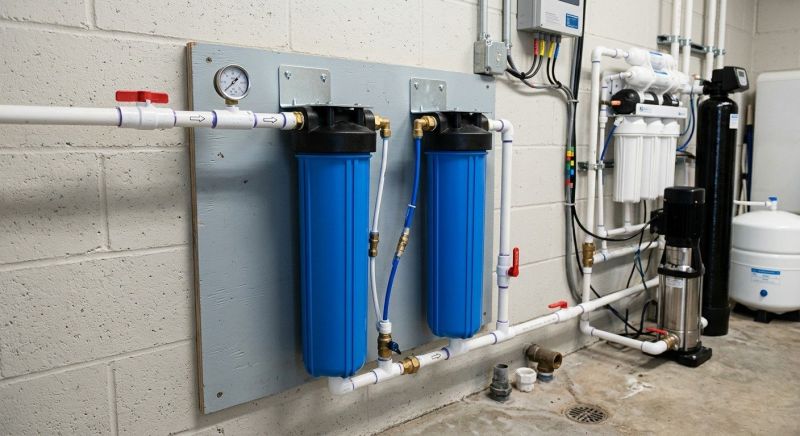
Benefits Of Carbon Filter Installation
Improves indoor air quality by removing odors, pollutants, and airborne contaminants.
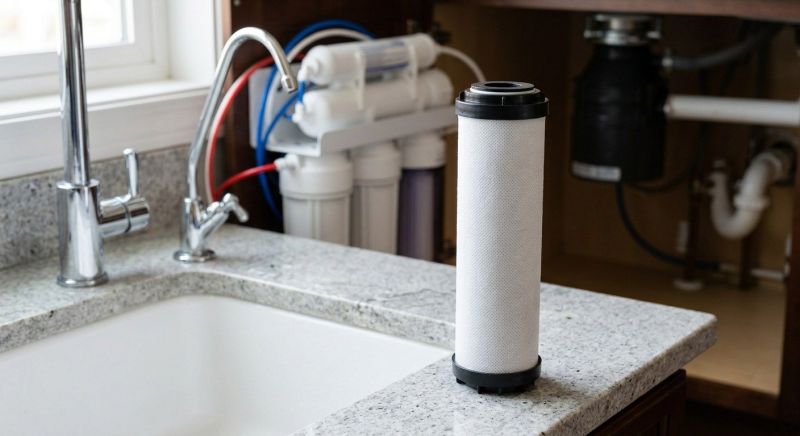
Common Applications
Ideal for residential kitchens, basements, and commercial spaces in denver seeking cleaner air.
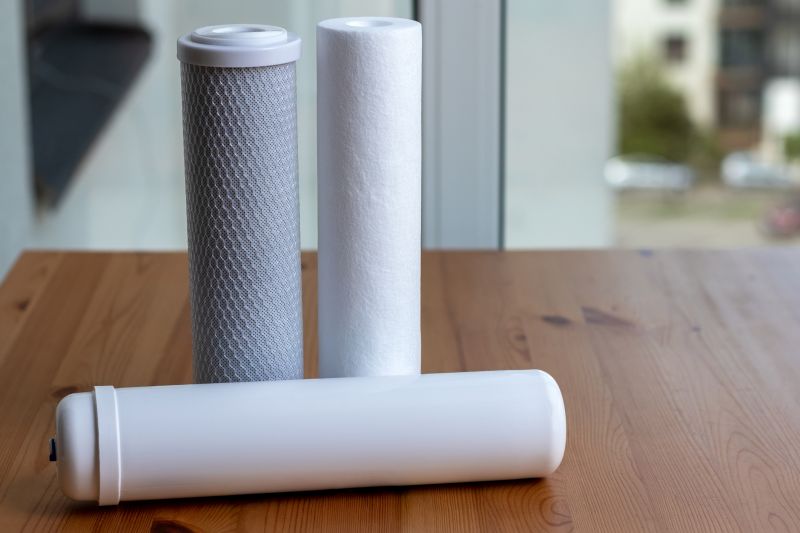
Maintenance And Replacement
Regular filter changes ensure optimal performance and continued air purification effectiveness.
Carbon Filter Installation in Denver, CO

Carbon filter installation services are designed to improve indoor air quality by removing odors, chemicals, and pollutants from ventilation systems. This process involves installing specialized filters that use activated carbon to absorb unwanted contaminants, making them suitable for a variety of projects such as residential HVAC systems, kitchen exhausts, or whole-house air purification setups. Property owners typically seek this service when experiencing persistent odors, chemical sensitivities, or concerns about indoor air cleanliness, especially in homes located near industrial areas or with smokers.
Before requesting carbon filter installation, property owners usually want to understand the scope of the project, including which systems can accommodate filters and the expected benefits. It’s helpful to know whether the existing ventilation system is compatible with carbon filters and if any modifications are necessary. Clarifying the maintenance requirements and lifespan of the filters can also assist in planning ongoing air quality management. Proper assessment ensures the installation effectively addresses specific air quality concerns and integrates smoothly with the current property infrastructure.
Many property owners in Denver, CO look into Carbon Filter Installation for repairs, replacements, upgrades, and appearance-related improvements.
Common Carbon Filter Installation Jobs
Residential filtration upgrades - installation of carbon filters to improve indoor air quality.
HVAC system enhancements - integrating carbon filters into existing heating and cooling units.
Commercial property filtration - setting up carbon filters to reduce odors and airborne contaminants.
Air purification system installation - adding carbon filters to existing or new air cleaning units.
Odor control solutions - installing carbon filters to eliminate persistent smells in homes and businesses.
Ventilation system improvements - incorporating carbon filters to support cleaner indoor environments.
Carbon Filter Installation Questions
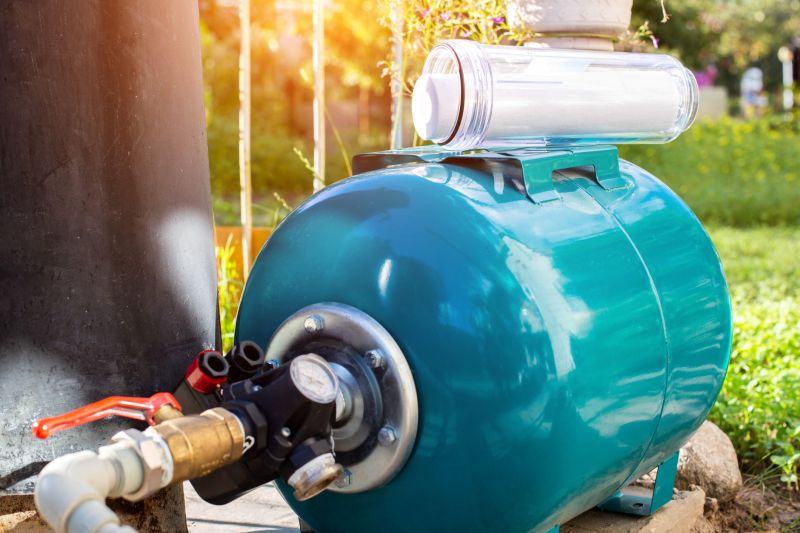
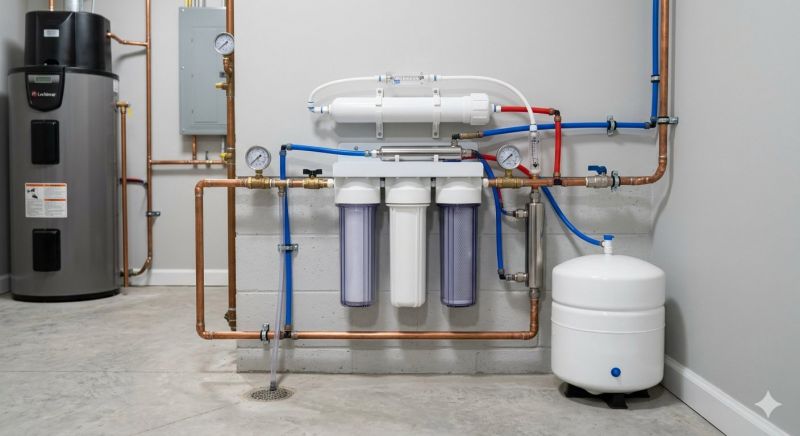
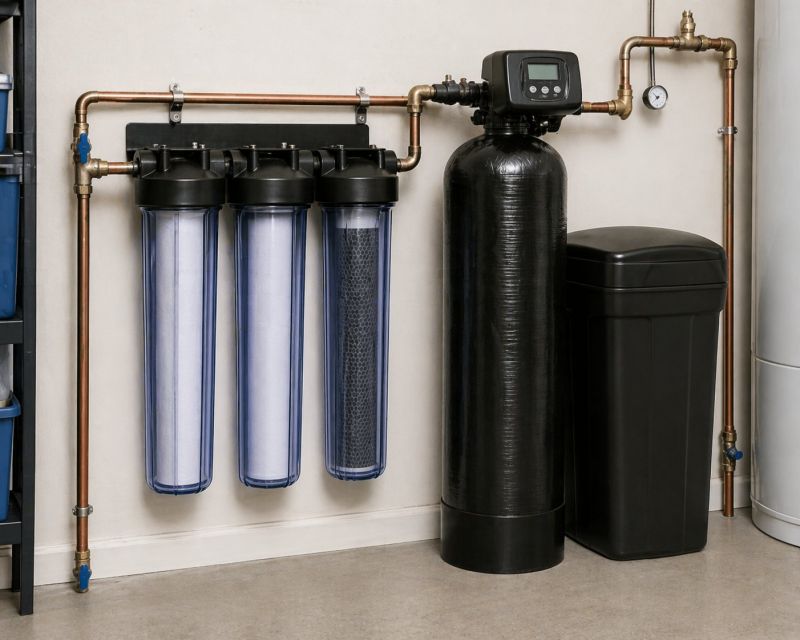
What is a carbon filter used for? A carbon filter helps remove odors, gases, and airborne contaminants from indoor air or water systems, improving overall air quality and freshness.
Where are carbon filters typically installed? They are commonly installed in HVAC systems, kitchen range hoods, water purification units, and other ventilation setups to trap pollutants before they circulate.
How often should a carbon filter be replaced? Replacement frequency depends on usage, but generally, filters should be changed every 6 to 12 months for optimal performance.
Can a homeowner install a carbon filter themselves? Some filters are designed for DIY installation, but professional installation ensures correct placement and optimal effectiveness for property owners.
Request Carbon Filter Installation in Denver, CO
Use the quote form on this page to share the basics of your project and request more information for the type of work you need.